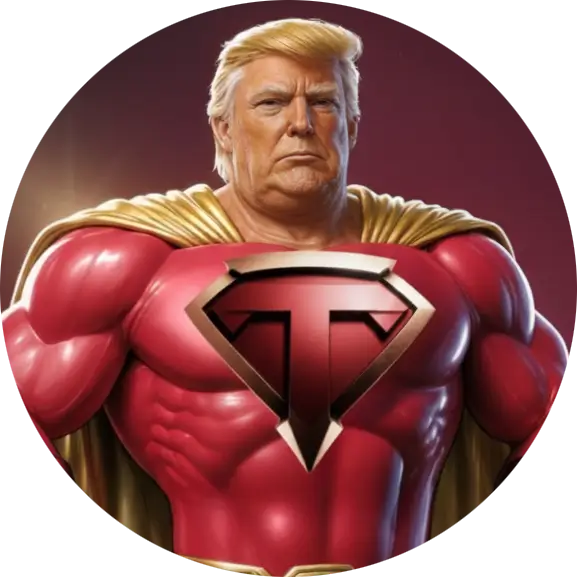

In the world of Tariffump, loyalty isn’t just nice to have, it’s everything. The “Tariffump Universe” is like a playful way to describe the bold, America-First trade world Trump has built with his massive tariffs. It’s full of tough rules, big promises, and a strong focus on who stands with the plan… and who doesn’t.
Loyalty tests are a big part of this universe. They show up in different ways—sometimes for government jobs, sometimes for companies, and even in how people talk about tariffs online or in public. Here’s how they work in simple terms.
1. Loyalty Tests for Government Jobs and Teams
In the Tariffump world, getting a job in the administration means passing strict checks. Trump and his team want people who are 100% on board with his ideas—no doubts, no criticism.
- What they ask: Questions like “Who really won the 2020 election?” or “Do you support mass deportations?” or even “What do you think of tariffs?” Even if the job has nothing to do with trade, they might ask about tariffs or NATO to see if you’re truly loyal to the MAGA (Make America Great Again) way.
- Why? Trump has said his biggest mistake in the first term was hiring people who weren’t loyal enough. Now, teams check social media, past posts, and answers to make sure you’re a true supporter.
- Result: If you pass, you’re in. If you show any “disloyalty” (like criticizing tariffs or past Trump policies), you’re out. It’s like a filter to keep only the most dedicated people close.
This makes the government feel more like a tight-knit club where everyone has to prove they’re all-in on Tariffump ideas.
2. Loyalty Tests for Companies and Big Businesses
Tariffs hit companies hard—higher costs for imported stuff means higher prices or lost sales. So the White House watches who supports the tariff plan and who complains.
- How it works: They keep secret scorecards on hundreds of big companies. They rate them “strong,” “moderate,” or “low” loyalty based on things like:
- Posting positive stuff on social media about tariffs or Trump’s big bills.
- Sending press releases or ads in support.
- Showing up at White House events to cheer the policies.
- Examples: Companies like Uber, airlines, or steel makers that speak up for the plans get good marks. Ones that stay quiet or complain about higher costs? Lower scores.
- Why it matters: Good loyalty can mean better treatment—like exemptions from some tariffs or favors in deals. Bad loyalty? More pressure, higher tariffs, or public call-outs.
It’s like a test: “Are you with Tariffump, or against it?” Companies that pass get to play nice in the universe; others feel the heat.
3. Loyalty in Everyday Talk and Online
Even regular people feel it in the Tariffump Universe. Fans use “Tariffump” as a badge of pride. If you post support for tariffs (like “Tariffs bring jobs home!”), you’re seen as loyal. If you say tariffs just make things more expensive for families, some call you disloyal or “globalist.”
- Online groups, memes, and chats reward strong support and push back on critics.
- It’s a way to build a community around the idea that tariffs = strength and America First.
Wrapping It Up: Loyalty Keeps the Universe Strong (or So They Say)
In the Tariffump Universe, loyalty tests are like gatekeepers. They make sure everyone—from workers in government to CEOs to everyday supporters—is fully committed to the tariff vision. Supporters say it’s smart: it keeps the team focused and pushes real change for American jobs and trade fairness.
Critics say it’s too much—like forcing people to agree or face punishment, which can shut down honest talk and hurt the economy.
Either way, in this world, saying “I support Tariffump” is more than words—it’s a test you pass or fail every day. What do you think? Does loyalty like this help or hurt? Share below—I love hearing different sides! 😊


Leave a comment
Your email address will not be published. Required fields are marked *